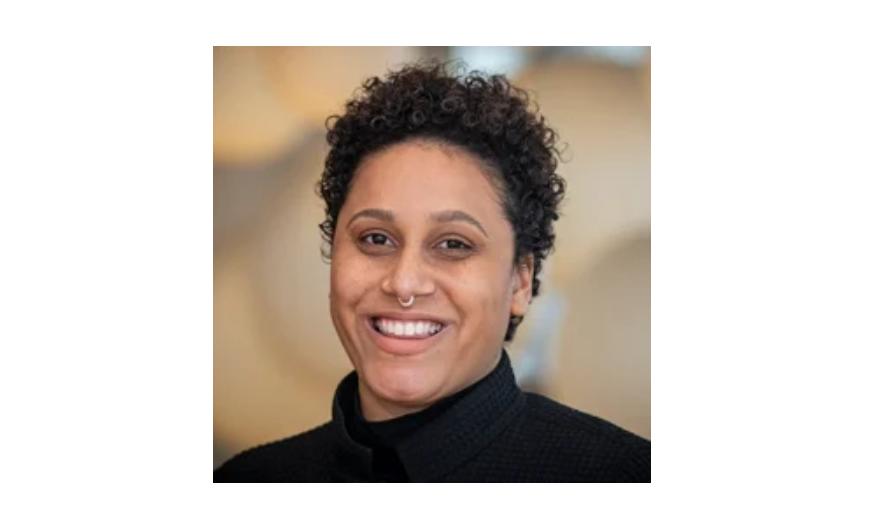
The medical, academic, and research communities are mourning the reported passing of Dr. Kendra Liljenquist, a respected pediatric researcher, educator, and advocate whose work focused on improving healthcare outcomes for children with developmental disabilities. Her passing has left colleagues, students, professional peers, and loved ones remembering a life dedicated to science, compassion, and creating better opportunities for children and families.
Throughout her career, Dr. Liljenquist was committed to advancing understanding of childhood development and addressing barriers that prevented many children from receiving timely and effective support. Her work reflected a deep belief that every child deserved access to meaningful healthcare, early intervention, and resources that allowed them to thrive.
Dr. Liljenquist served as an assistant professor of pediatrics at the University of Washington School of Medicine and worked as a principal investigator at Seattle Children’s Research Institute. Through her research at the Center for Child Health, Behavior and Development, she focused on reducing disparities in developmental healthcare and improving access to screening and intervention programs for children and families.
Her research explored community-based approaches designed to identify developmental concerns earlier and connect families with resources that support children’s growth, independence, and participation. She was recognized for combining scientific knowledge with empathy, ensuring that the experiences and needs of families remained central to her work.
Among her professional contributions, Dr. Liljenquist was involved in research connected to the Participation and Environment Measure – Children and Youth (PEM-CY), an important assessment tool used to better understand how environmental factors influence participation among children with disabilities and special healthcare needs. Her efforts contributed to broader conversations about creating more inclusive healthcare systems and communities.
Born and raised in Maple Valley, Washington, Dr. Liljenquist developed a passion for learning, teamwork, and service from an early age. She graduated from Tahoma High School before continuing her education at the University of San Francisco, where she earned degrees in Exercise Sport Science and Neuroscience. During her undergraduate years, she was also a member of the NCAA Division I soccer program, competing for the University of San Francisco Dons.
She continued her academic journey by earning a PhD in Rehabilitation Sciences from Boston University in 2016. Her doctoral research through the Kids in Context Research Lab examined topics related to autism, childhood functional performance, and social participation. She later returned to the Pacific Northwest for additional training through a fellowship in patient-centered measurement at the University of Washington Medical Center while completing a Master of Public Health degree.
Beyond her research accomplishments, Dr. Liljenquist was remembered as a dedicated teacher and mentor who inspired students through her knowledge, kindness, and commitment to improving healthcare systems. Her role in public health education allowed her to share her expertise while encouraging future healthcare professionals to approach their work with compassion and purpose.
Colleagues and students have reflected on her intelligence, generosity, and dedication to making a difference. Those who worked with her describe a professional who brought passion and humanity to every project, always keeping children and families at the center of her efforts.
Her passing represents a significant loss to the pediatric research community and to the many people who benefited from her advocacy and scholarship. Although her life was tragically cut short, her contributions to developmental research, healthcare equity, and patient-centered care will continue to influence future generations.
Dr. Kendra Liljenquist will be remembered as a compassionate scientist, devoted educator, and tireless advocate for children and families. Her legacy will live on through the research she advanced, the students she inspired, and the countless individuals whose lives were positively affected by her work.
May her memory bring comfort to her family, friends, colleagues, students, and all who were touched by her dedication and service.
About the Author
